The worry is simple and real: you put money into something that looks professional, then you cannot get it back. Plenty of people want to start investing or try a new platform, yet they have heard about polished apps that disappear with deposits. This is about keeping control of your money before it leaves your account. You do not need to become an expert on every variation. A few practical checks, used every time, stop most of the problems before money moves.
Why these fakes are harder to spot than older scams
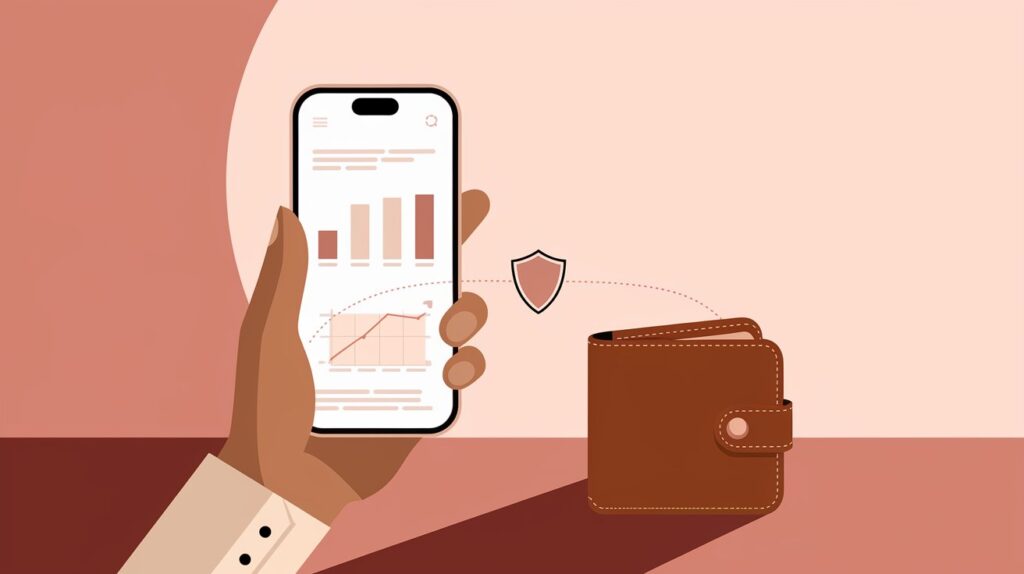
Older scams often felt off—bad spelling, odd phone numbers, or pressure that sounded like a stranger. Newer ones can look like ordinary broker apps. The design is clean. Charts appear. Logos resemble known brands. For a short time you may even see a dashboard that looks active.
The pull is usually the same mix of opportunity and hurry: limited spots, unusually steady returns, or the sense you will miss out. Even careful people get caught because the screen feels familiar right up until a withdrawal is blocked or delayed. Looking real is not the same as being real. The interface can be convincing until the moment you try to take money out.
Common ways people encounter them
Most people meet these platforms the same way: an unsolicited message, a social media ad, or a recommendation that steers them to one specific app. The offer often promises high or steady returns with little risk. There is pressure to download the app from a link rather than search for it yourself. Sometimes the instruction is to move money quickly or send it to a personal account instead of a company account.
These patterns show up in the United States and elsewhere. The claimed regulator or currency may change, but the sequence—contact, polished pitch, urgency, money request—stays similar. Have you already been asked to download an investment app from a link in a message?
Red flags that matter more than the design
A clean interface does not prove the company is legitimate. These signals matter more:
- You cannot easily find the company on an official regulator’s list (for example, the SEC or FINRA in the United States, or the equivalent body where you live).
- The app is missing from the official Apple or Google stores, or the developer name does not match what the company claims.
- Withdrawals are delayed, require extra fees, or suddenly need more deposits before any money can leave.
- The pitch guarantees returns or calls them risk-free, especially at rates far above ordinary market levels.
- You are pressed to act before you can check anything, or told to keep the investment secret.
- Support exists only inside messaging apps or other channels that cannot be verified independently.
These are things you can notice as a user. They do not require technical knowledge. A platform that will not let you withdraw is different from a legitimate investment that simply loses value in the market.
Simple verification steps before you deposit anything
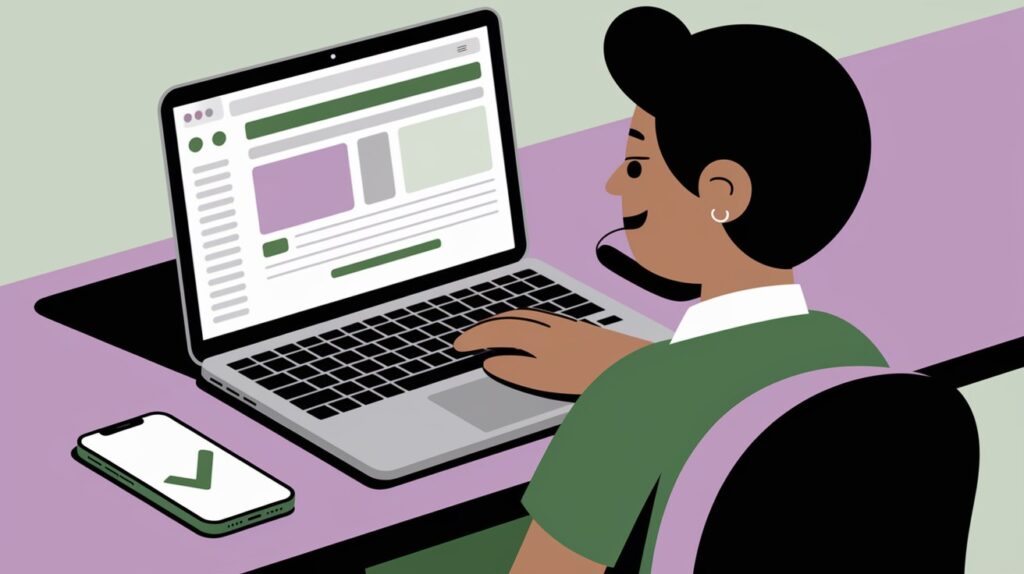
Before any money leaves your account, run a short set of checks. They take minutes and work in most countries.
Search the exact company name plus “scam” or “regulator.” Then go to the official regulator website for your country or region and look for the firm’s registration. Confirm the app appears in the official Apple or Google store under a developer name that matches public records. Look for a physical address and ordinary contact options (phone or email) that line up with those records.
If those steps check out, start with a very small amount and confirm you can withdraw it before adding more. Never share login codes or move money to a “safer” personal account someone else controls. Legitimate platforms do not ask for that.
One concrete step before any transfer: open the official regulator site for your country and search the company name. If it is not listed, stop.
Habits that reduce risk once you’re using a real platform
Even after you confirm a platform is legitimate and regulated, a few simple habits keep your money under your control. Stick mainly to well-known, regulated brokers for most of your investing. The big, established names that appear on official regulator lists are not immune to market losses, but they are far less likely to block withdrawals or disappear.
Turn on strong authentication (such as an authenticator app or hardware key) rather than relying only on a password. Check account statements and login alerts regularly so you notice anything unusual quickly. Keep investment money separate from the accounts you use for everyday spending. Be cautious of any new “advisor,” group chat, or contact that suddenly appears in your messages and starts recommending moves or extra deposits.
A legitimate platform can still lose value when markets fall. That is different from a platform that will not let you withdraw your own money. One practical habit: every time you log in, glance at the recent activity and withdrawal status before you do anything else.
What to do if you already sent money or downloaded something suspicious
If something already feels wrong, stop further transfers right away. Contact your bank or card issuer immediately and report the transactions; they can sometimes freeze or reverse recent payments if you act quickly. Report the platform to the relevant regulator (SEC, FINRA, or your country’s equivalent) and, if money was taken, to local law enforcement or a national fraud center.
Change the passwords on the account and on any other accounts that shared the same login details. Document everything—screenshots of the app, messages, transaction records, and the exact company name—so you have a clear record. Recovery is often limited once money has left your account and reached another person or platform, which is why speed still matters. The faster you stop new payments and notify your bank, the better the chance of limiting the damage.
One immediate step: open your banking app or call your bank now and flag every related transfer.
Protecting family members who are newer to apps
People who are less familiar with investing apps are often targeted with the same polished pitches. A simple family rule works well: never download an investment app from a link in a message or social media post. Always search for the company on an official regulator site first, then look for the app only in the official Apple or Google store.
When you have the conversation, focus on the rule rather than on past mistakes. Something like “Let’s check any new investment idea together on the regulator site before anyone downloads anything” keeps the tone practical instead of embarrassing. Most people respond better to a shared habit than to being told they should have known better.
One concrete step you can suggest: the next time someone mentions a new app, open the regulator website together and search the name before anything else happens.
FAQs
How can I tell if an investment app is real before I put money in?
Search the exact company name on the official regulator website for your country, confirm the app is in the official Apple or Google store under a matching developer, and test a very small withdrawal before sending more.
The app looks exactly like a real broker — is that enough?
No. Many fakes copy the look of real platforms. Appearance is the least reliable signal. The regulator listing and the ability to withdraw matter more.
They said I have to deposit more before I can withdraw. Is that normal?
No. Legitimate platforms do not require extra deposits to release your own money. Treat that request as a clear stop signal.
I already transferred money. What should I do right now?
Stop any further payments, contact your bank or card issuer immediately, and report the platform to the relevant regulator. Document everything while the details are fresh.
Is it safer to only use the big name brokers I already know?
For most people, yes. Well-known regulated brokers that appear on official lists reduce the chance of dealing with a fake platform. Market losses can still happen, but the withdrawal and custody risks are much lower.
Someone on social media is recommending an app that shows high returns. How do I check it?
Ignore the high-return claim and the recommendation. Search the company name on the official regulator site and confirm the app is available only through the official app stores under a consistent developer name.
Does this advice change if I’m outside the United States?
The same core checks apply: look up the firm on your country’s official securities regulator, use only the official app stores, and test withdrawals with a small amount. Local regulator names differ, but the steps stay the same.
Can a fake app actually show me a real-looking balance?
Yes. Some can display charts, balances, and activity that look genuine for a while. That is why the ability to withdraw a small test amount, and confirmation on a regulator site, matter more than what appears on the screen.
These checks are general education, not personalized advice. They give you a practical way to keep control of your money before it leaves your account.